
Casa Decor 2026
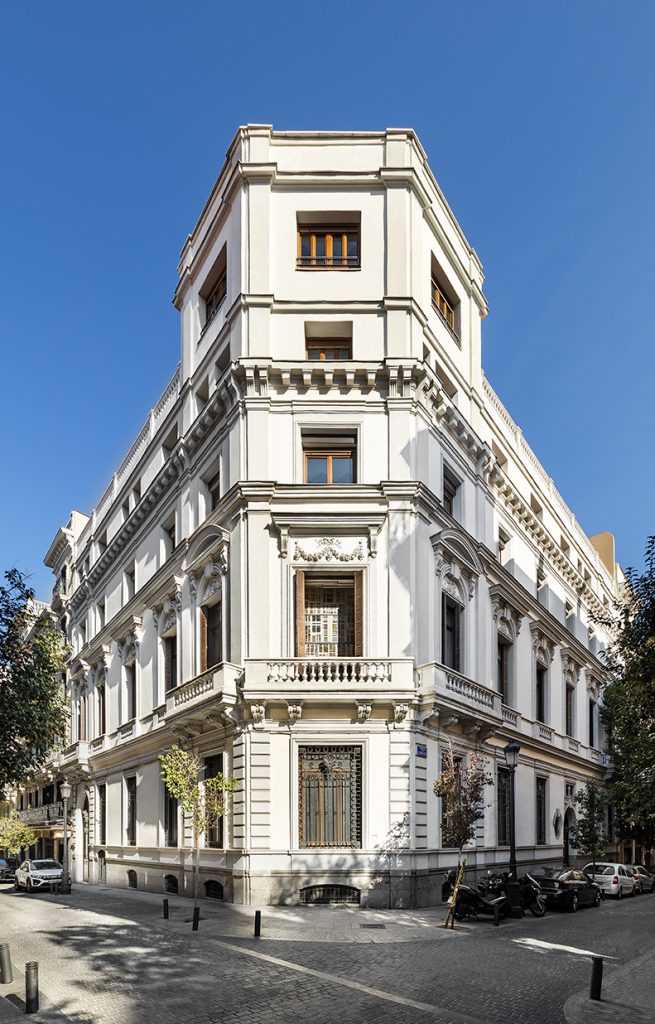
Spain’s most important annual interior design event, Casa Decor in Madrid, showcases designs, crafts, and products from designers, artisans, and commercial brands from Spain and beyond. This year, the 61st edition takes place from April 9th to May 24th. The setting for this edition is the palace-house of the Marquis of Vélez and Count of Niebla, a jewel from the late 19th century located in the heart of the Literary Quarter. In this edition, Casa Decor will be, for the first time, in the heart of the Literary Quarter, at the corner where San Agustín and Cervantes streets meet, a historic, literary, and artistic neighborhood where the great figures of the Spanish Golden Age lived. This neighborhood is a symbol of the creativity that brilliant minds contributed to Spain’s cultural heritage, a legacy that still lives on in every corner of its streets. The building has 47 decorated spaces, including inviting living rooms, bedrooms designed for dreaming, kitchens that look to the future, and bathrooms conceived as small sanctuaries. This year’s campaign is #SustainableHomeDecor, essentially the inclusion of sustainable features and or solutions that all spaces must have.
Each year, Casa Decor partners with an organization actively working towards a fairer world, aiming to bring visibility to realities that often go unnoticed. This year, the organization is Kassumay, born of the human and cultural bond between Spain and Senegal. Kassumay’s main focus is on women and their children in vulnerable situations. Both in Spain and Senegal, these individuals face daily challenges related to poverty, lack of access to basic resources, and social exclusion. Kassumay operates on a very clear conviction: poverty has a woman’s face. Therefore, much of their work is focused on women’s empowerment, providing them with tools for autonomy and creating opportunities. In Senegal, it carries out comprehensive work that encompasses education, health, training, and rural development. In Spain, Kassumay works with incarcerated women at the Picassent Penitentiary Center, running two workshops that combine training, psychosocial support, and preparation for reintegration.
This introduction to this year’s event is the first in my two-part series. The second will cover the Casa Decor awards presentation.
Commercial Sponsors
Sircle Collection and Take Point are currently joint owners of the building. Sircle Collection is an independent boutique hotel group based in Amsterdam, renowned for fusing design, culture, and local lifestyle into inspiring hotels and spaces. Take Point is a company specializing in the development, promotion, and repositioning of unique real estate assets. Its work combines strategic vision, design, and market knowledge to create contemporary projects that engage with the architectural and cultural heritage of Madrid. After the event, they will jointly lead the renovation of the building to create a luxury hotel, Sir Agustin. The hotel will have 33 rooms, a restaurant, and The Cover, Sircle Collection’s innovative private club concept. Located a short distance from El Retiro Park, the Prado Museum, and the city center, Sir Agustin will become a new social and cultural landmark in the heart of Madrid. The hotel will reflect its contemporary spirit and rich cultural heritage. The renovation will aim to restore historical elements and create modern interventions that respect its essence, offering a versatile and iconic space that integrates architecture, design, and creativity.
The Building
The building, designed as the residence of the Marquis of Vélez and Count of Niebla between 1892 and 1895, was built in the style of the urban mansions of the time, with a ground floor and three upper floors. The semi-basement housed the stables, the garages, and servants’ quarters, and the ground floor provided access to the property from San Agustín street. From this passageway, one could reach the vestibule and the main staircase of the palace, arranged in the classical style, with white marble flooring and steps, freestanding columns, and decorative moldings.
The rich decoration of the whole complex alternates Plateresque Renaissance forms with a certain taste for the medieval and Mozarabic touches, especially on the walls and ceiling. The plaster ceilings resemble coffered ceilings with reliefs and embellishments; the walls are carved with Mozarabic-style vegetation motifs, and all of this is dotted with religious figures full of medieval mysticism, very much in the stylistic taste of the religious orders of the 1920s. All this virtuous work was carried out by the Granda art workshops, which at one time had more than 200 master artisans and which, even today, remains one of the most prestigious and important liturgical art workshops in the world.
Around 1941, as the building expanded its school activities, it became necessary to add a fourth floor to house the residents’ rooms. For this expansion, the classical layout established in the original design continued, albeit simplified and streamlined, to harmonize with the palace as a whole without detracting from the building’s scale. Since then, the building has undergone several renovations, the last in 2009, when modernization work was carried out on the spaces, resulting in the current built area: 3,500 square meters. Despite the change in the building’s activity, from a sumptuous palace to a sober convent, stately traces are still preserved on the ground and main floors, such as the beautiful entrance to the vestibule, with white marble floors, stained glass windows by the House of Maumejean, elaborate moldings and cornices, and a monumental semicircular staircase.
The Vestibule
Photos by Nacho Uribesalazar Artazcoz for Casa Decor
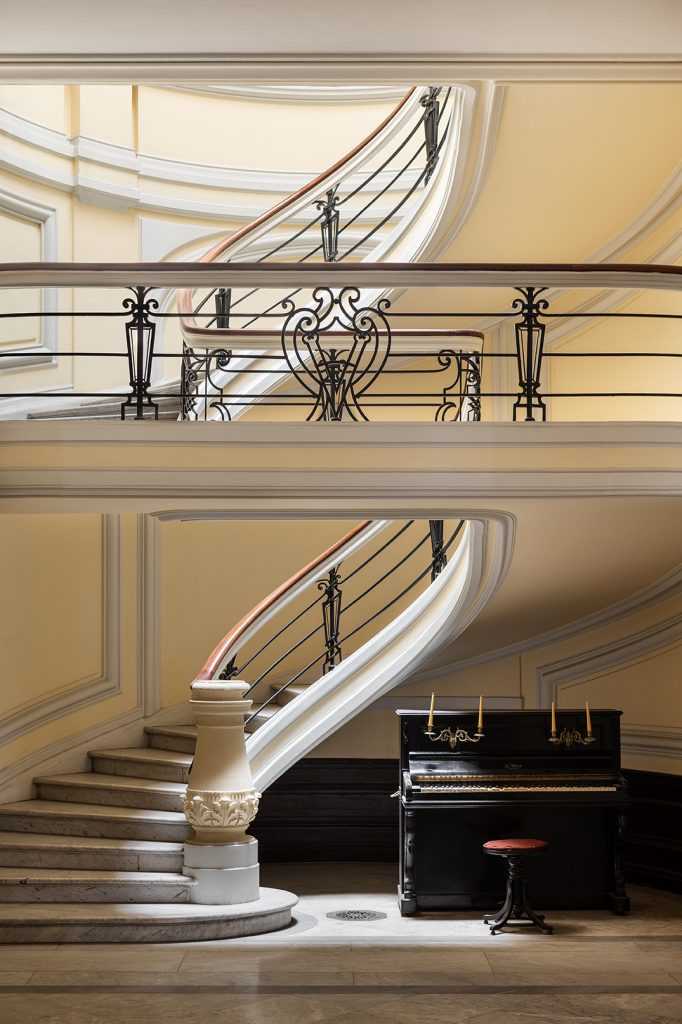
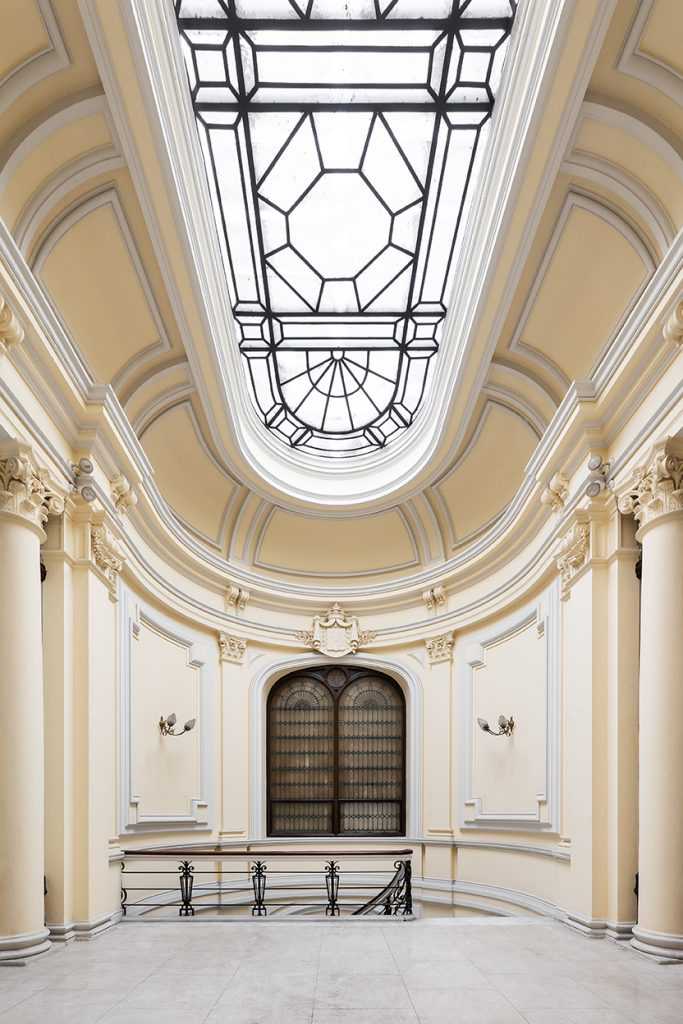
The striking and monumental staircase that dominates the entrance hall is one of the palace’s most iconic features. It appears to have been a later addition, as indicated by the intermediate landing open to the hall and its unique curved design, which aligns it more closely with the Art Deco trends of the early 20th century. This floor housed the work areas, including the Marquis’s office and other administrative rooms. During Casa Decor, it welcomes visitors, but after the event, it will become the lobby of the future San Augustin Hotel.
The Main Floor
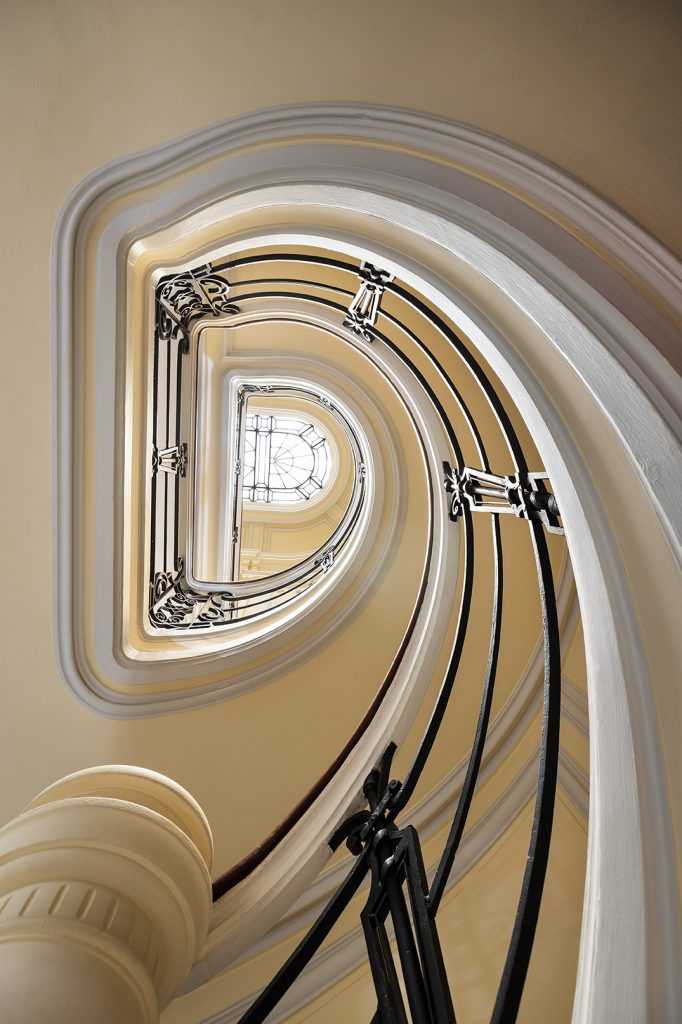
The staircase leads to the main floor, a stately space crowned by a large skylight that illuminates the staircase, which in this section is decorated with an impressive stained-glass window by the Mauméjean, a prestigious glass and mosaic firm founded in 1860 by Jules-Pierre Mauméjean in Pau, France.
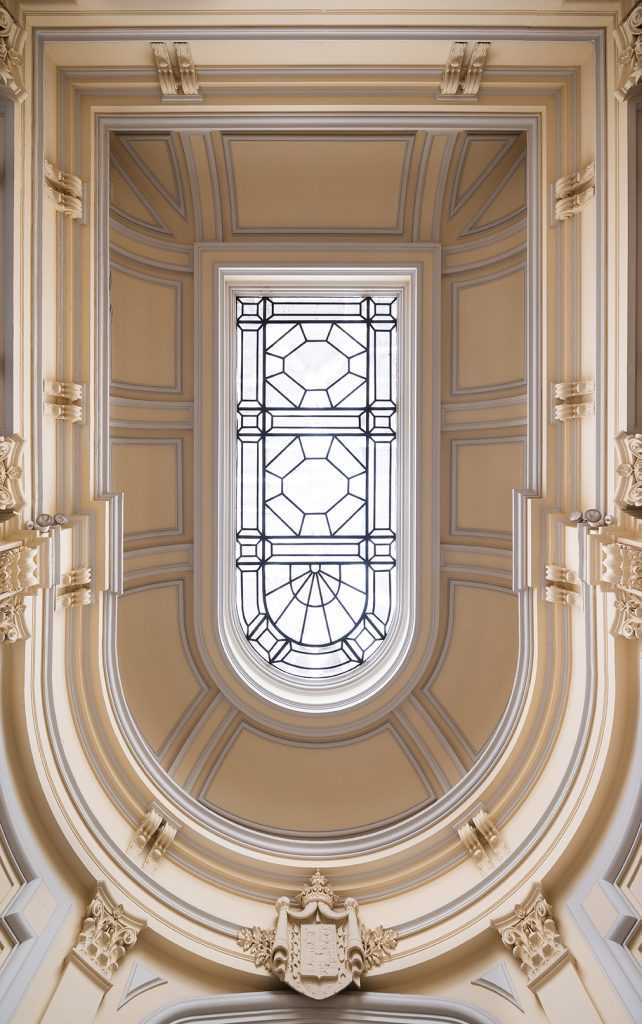
A series of freestanding columns with Corinthian-style capitals organizes this elongated space, defined by moldings that run along the vaulted ceiling. The most elegant rooms were located on the first floor, such as the ballroom and the family’s main bedrooms, while the second and third floors housed servants’ quarters.
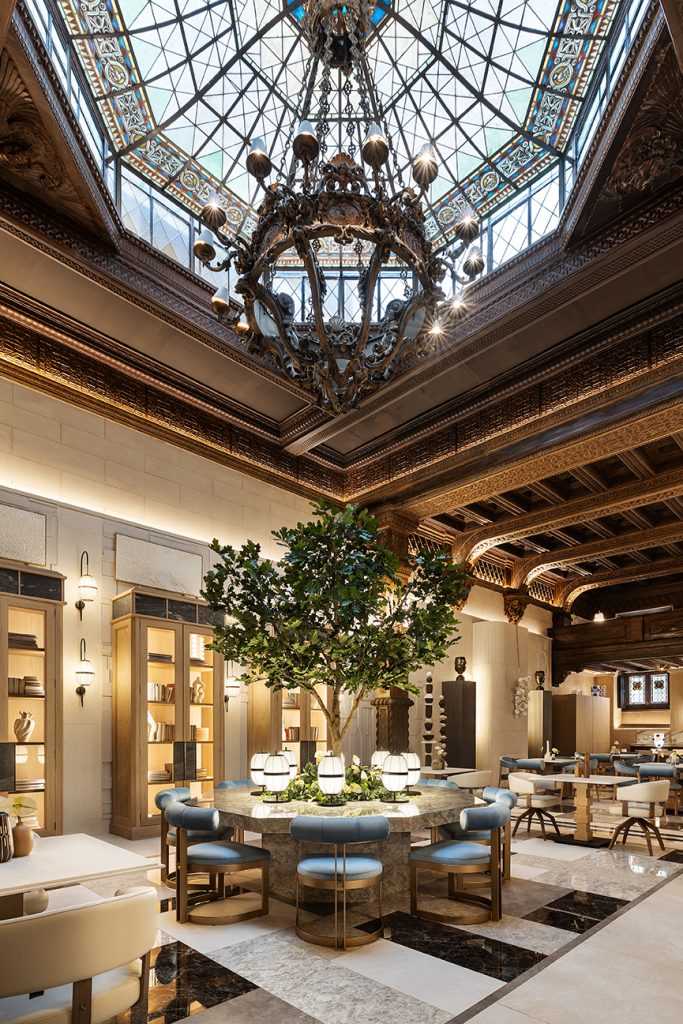
“The Silent Chapel” by Raúl Martins Studio for Iris Ceramica Group.
Photos by Nacho Uribesalazar Artazcoz for Casa Decor.
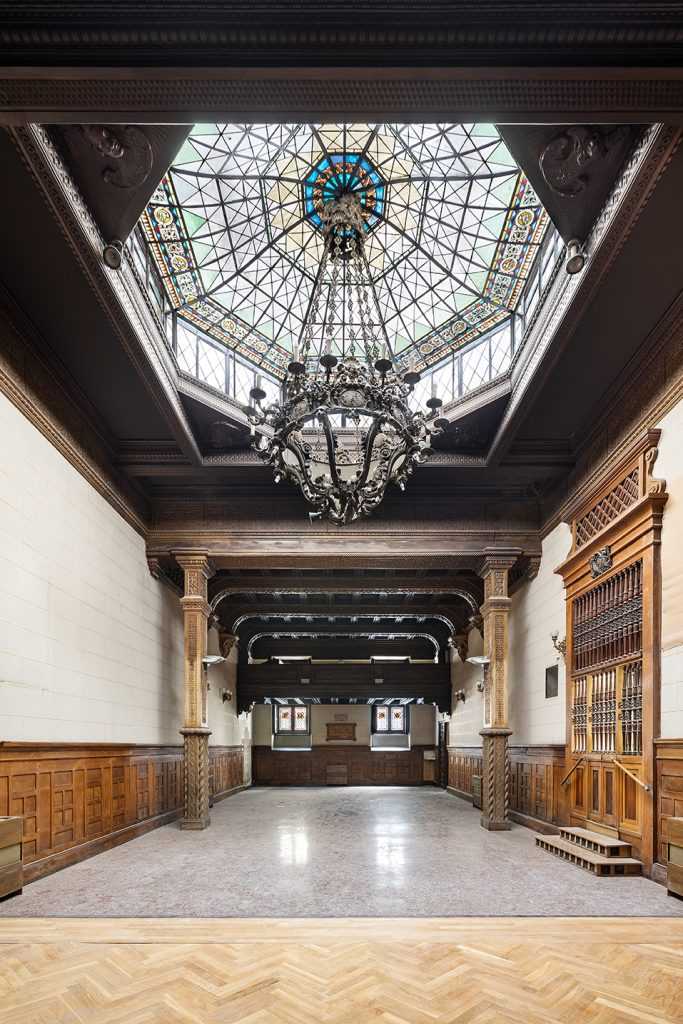
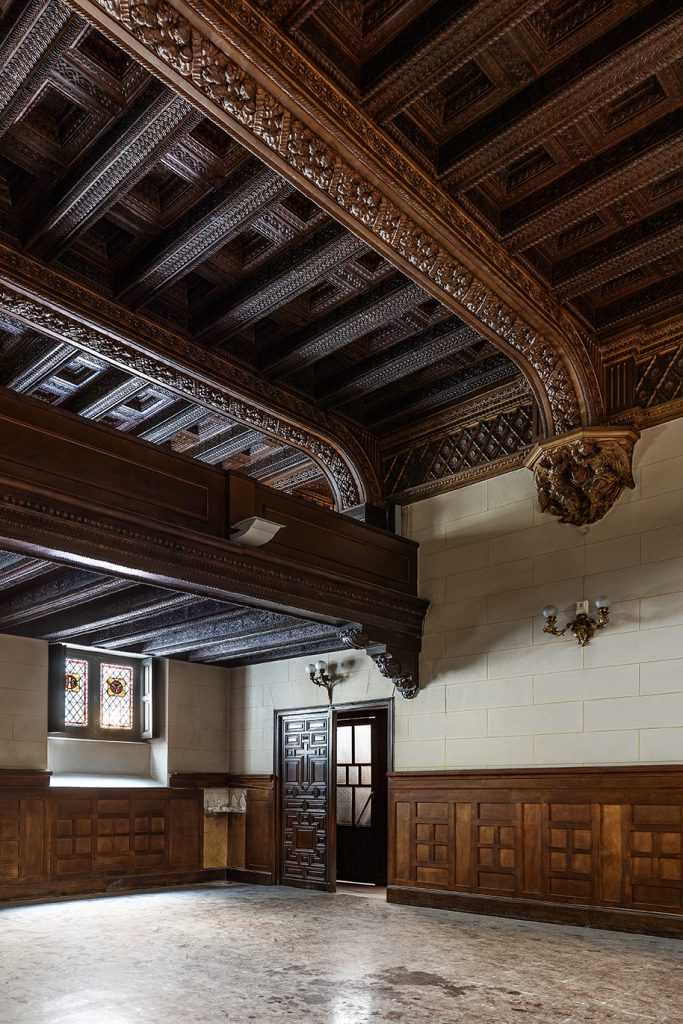
In 1926, upon the death of the Marquesses without heirs, the palace passed into the hands of the Congregation of the Handmaids of the Sacred Heart of Jesus. There were renovations throughout the 20th century to adapt it for use as a school convent. An outstanding element is the chapel (now deconsecrated) located in the palace’s former coach houses. The rectangular floor plan is 164 m2. A spectacular glass skylight lights the interior, and a small window looks out onto the street. During Casa Decor, the space is a restaurant by Raúl Martins Studio for Iris Ceramica Group.
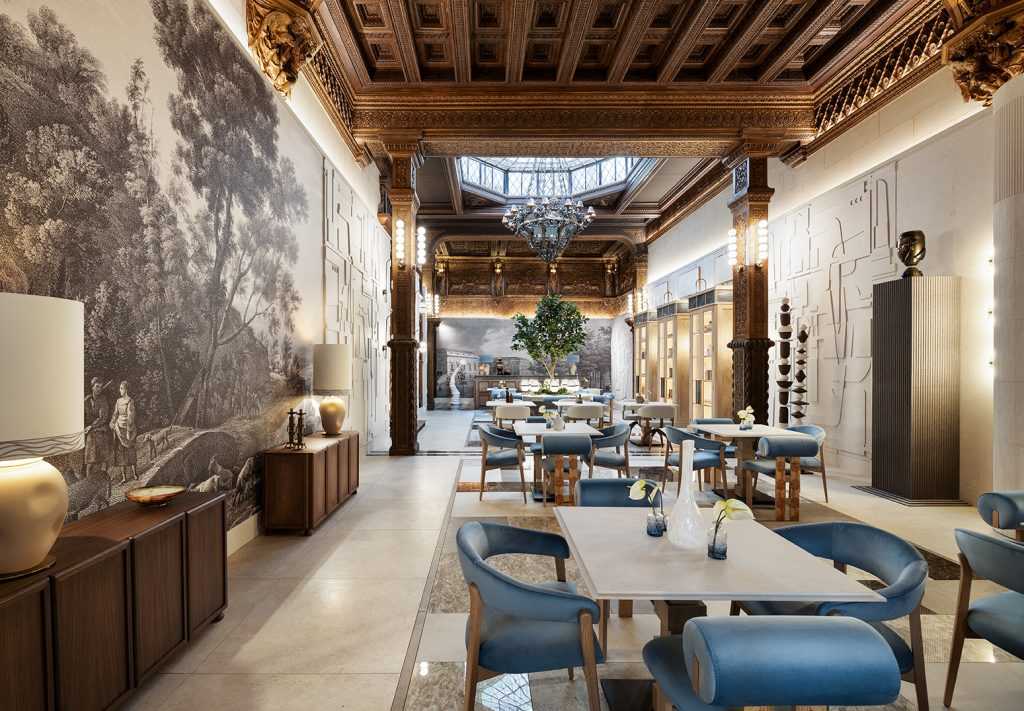
The proposal introduces a refined language that allows the chapel’s original architecture to regain prominence. The restoration of the historical elements is carried out with the utmost respect, while the contemporary intervention acts as a serene and precise layer that redefines the space without altering its essence. Ceramic and stone-like materials structure the space and reveal a contemporary interpretation of stone, with volumes and planes that connect with the monumentality of the space. The warmth of the wood and the value of the craftsmanship enhance the tactile dimension of the project and provide a natural counterpoint to the mineral elements. The space has been conceived as a sensory experience. Visitors are invited not only to walk through it, but also to interact with the materials, perceive the textures, and experience the contrast between the historical strength of the chapel and the serenity of a contemporary intervention that highlights the essence of design.
Institutional Sponsors
This year The Casa Decor 2026 edition features three institutional presences with their own space: DEmark, Thailand, participating for the first time to showcase the country’s talent, raw materials, and know-how; ITA-Italian Trade Agency, through which the Italian government promotes the economic development of Italian companies in foreign markets; and Legado Artesano de Castilla La-Mancha, a brand promoted by the CLM Community to promote regional crafts.
“Warmest Sun” by Trimode Studio for DEmark-Thailand
Photos by Lupe Clemente for Casa Decor
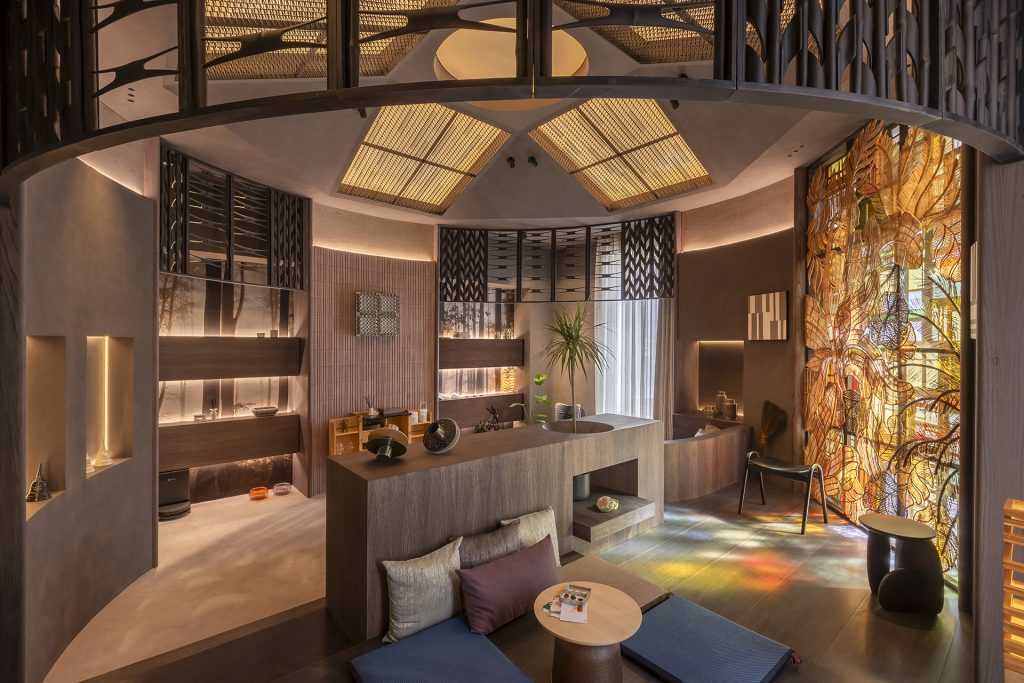
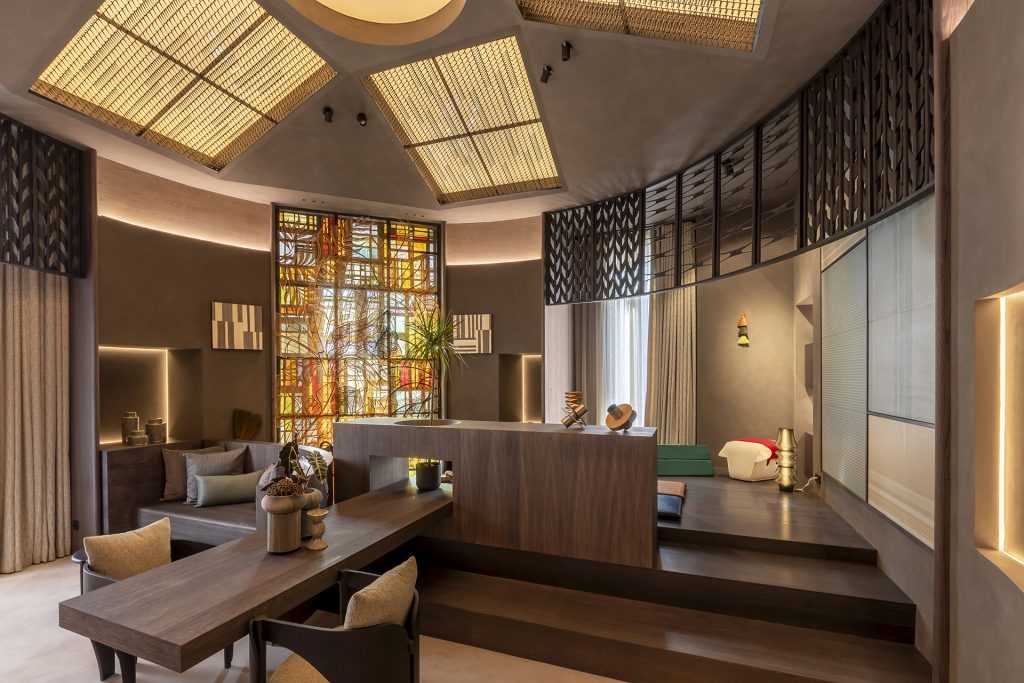
Thai studio, Trimode Studio, designed “Warmest Sun,” a loft built to convey the warmth of Thailand, beyond just the climate.
PROJECT CONCEPT.
The “Warmest Sun” is a concept that reflects the country’s warmth not only through its climate but also through its culture, people, and design philosophy. The project collection brings together selected works from the recipients of Thailand’s Design Excellence Award.
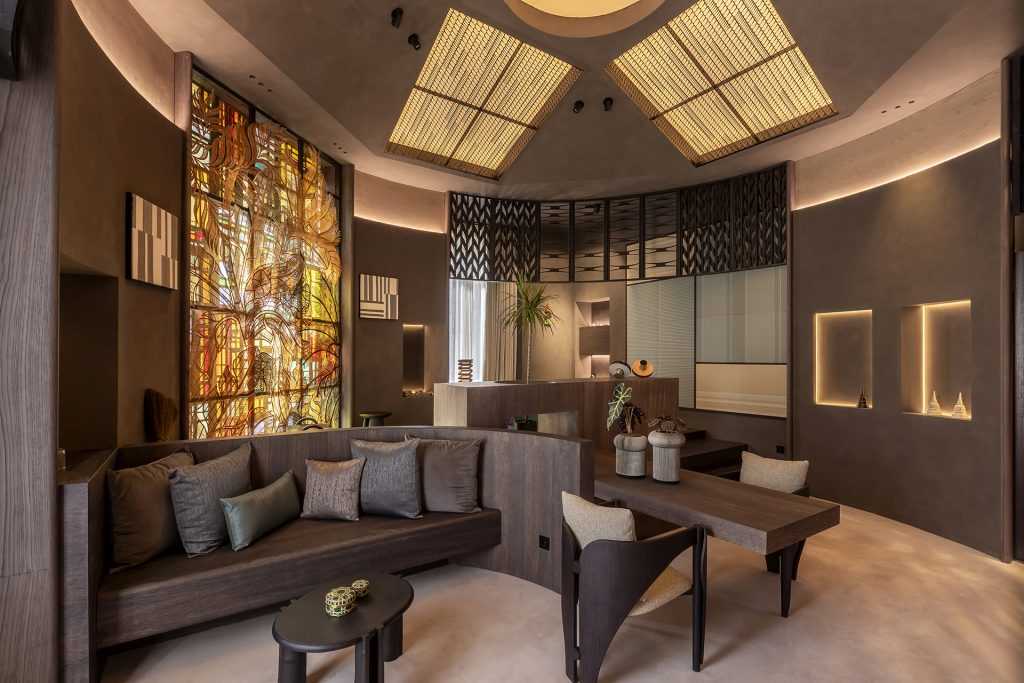
TRENDS, INNOVATION, AND MATERIALS. The materials are of natural origin, creating a welcoming and relaxed atmosphere for visitors. They include bamboo, teak, rain tree wood, sustainable fabrics and metals, as well as modern decorative items that maintain a time-honored tradition.
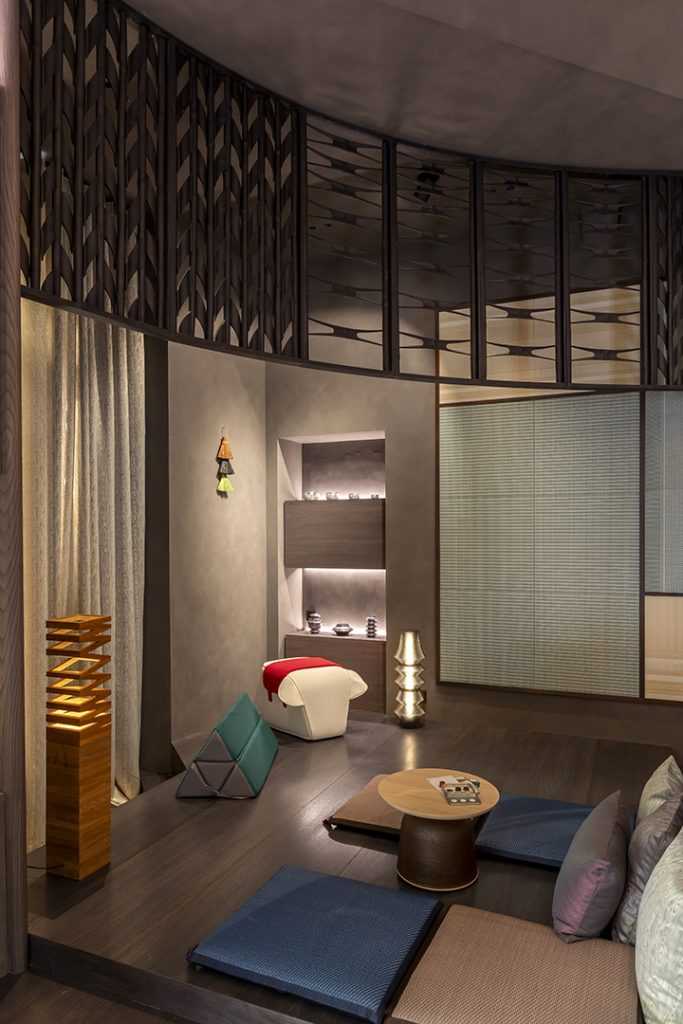
The decorative items, such as those made of wood and metal, are handmade, recycled, and redesigned for everyday use. Furthermore, their production helps local people build a future for themselves and thus prevents the depopulation of villages.
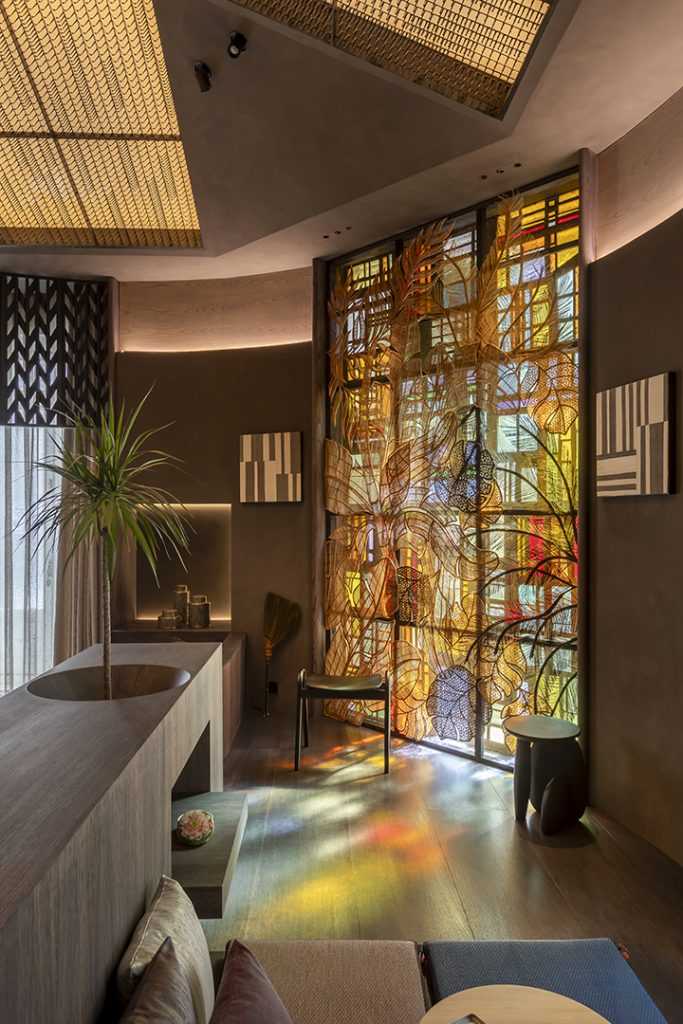
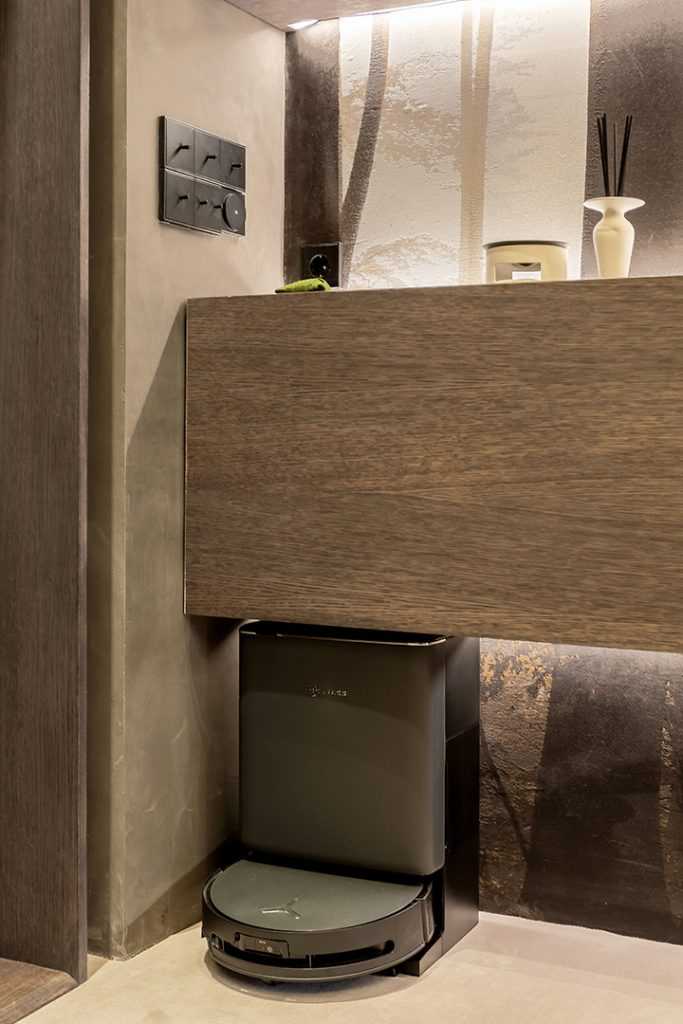
The space features a selection of award-winning pieces from the Design Excellence Awards (DEmark), where contemporary design and tradition seamlessly coexist. Here, the materials define the experience: bamboo, teak, rain tree wood, sustainable fabrics, and metals create a welcoming, easy-to-navigate environment, designed to make visitors feel comfortable from the moment they arrive. In addition, the Thai brand ECOVACS collaborated on the project by contributing a robotic vacuum cleaner.
“Órbita e Materia” (Orbit and Matter) by Rebuilt Domecq for Ita-Italian Trade Agency
Photos by Nacho Uribe Salazar for Casa Decor
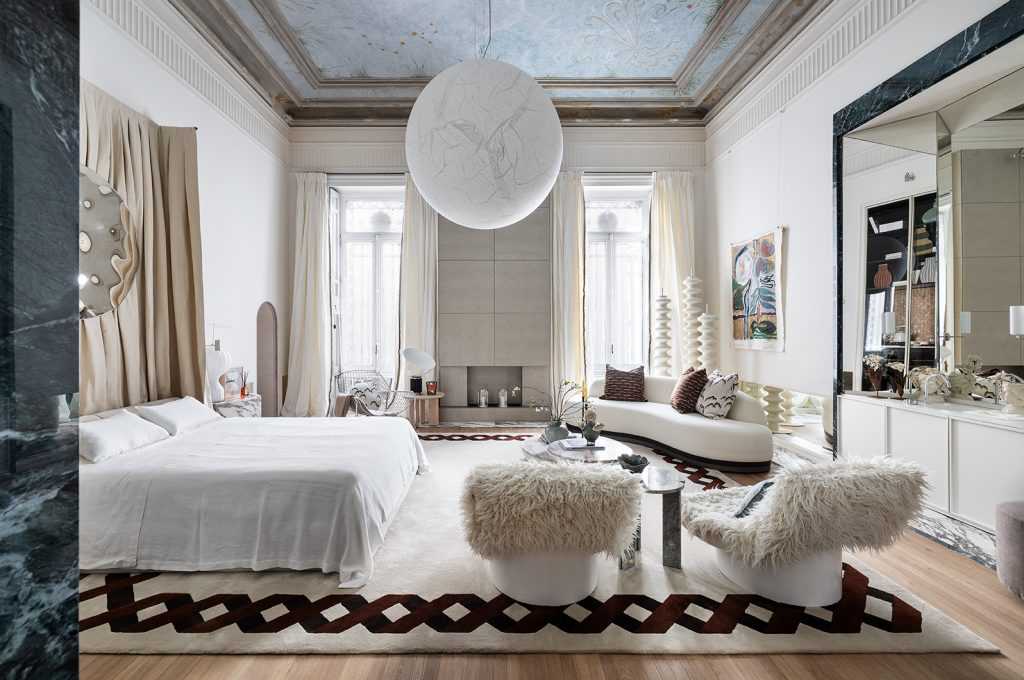
ITA-Italian Trade Agency returns to Casa Decor with a proposal that embodies pure material sensibility and embraces the balance between tradition, innovation, and design. Rebuelta Domecq studio created this suite that interprets the night as a universe brimming with nuances. The studio respected the original architecture—moldings, proportions, classical essence—but reinterpreted it through a contemporary lens for which materiality is paramount. The space features official collaborations with Cupa Stone (marble for the coffee table); Corston (mechanisms and lighting fixtures), Genix Home (bed and bath linens), Alvic (sustainable panels), Sidon (wardrobe, bar cabinet, and fireplace), Ilbagno (dressing table with sink and faucet), and Fransen et Lafite (floral arrangements). Italian firms also collaborated in the project, including Natuzzi Italia (armchair, pouf, and stool), bticino (mechanisms), and Sapienstone (cladding and bedside table).
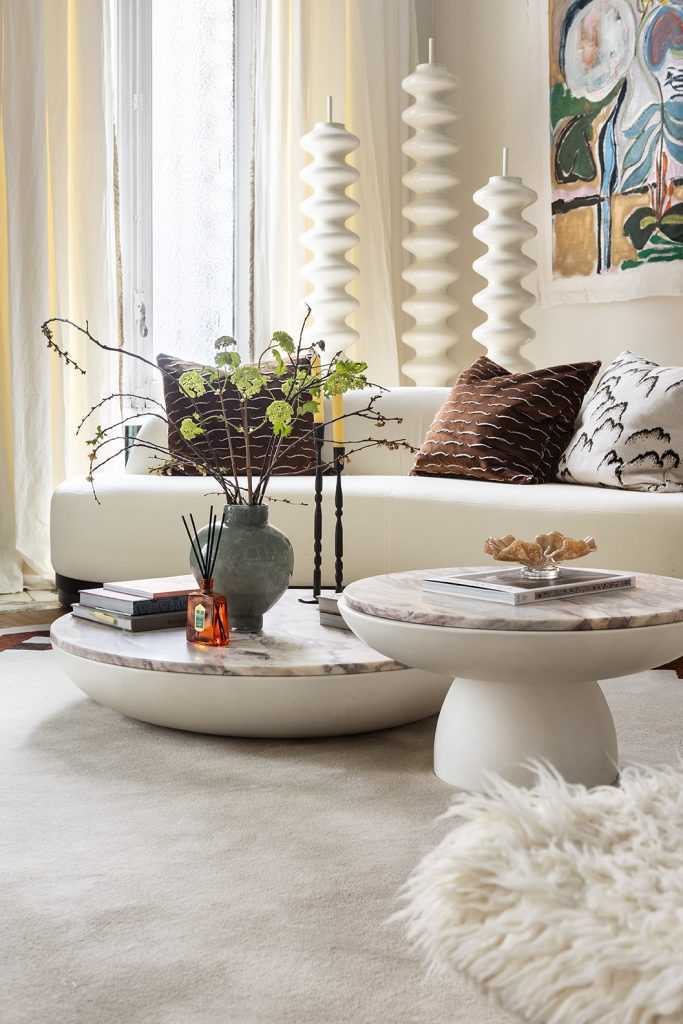
PROJECT CONCEPT. The ITA Space is transformed into a suite that explores the night not as an absence of light, but as a cultural stage. A space where classical architecture is respectfully preserved, yet reinterpreted through a deeply material, contemporary sensibility, using a neutral colour palette. The moon and its symbolism shape the project’s narrative. To reinforce this, finishes and textures reminiscent of the heavens have been carefully selected, creating an immersive atmosphere. The overall effect is an almost astronomical interpretation of the space, where surfaces, light, and reflections construct a dreamlike interior landscape.
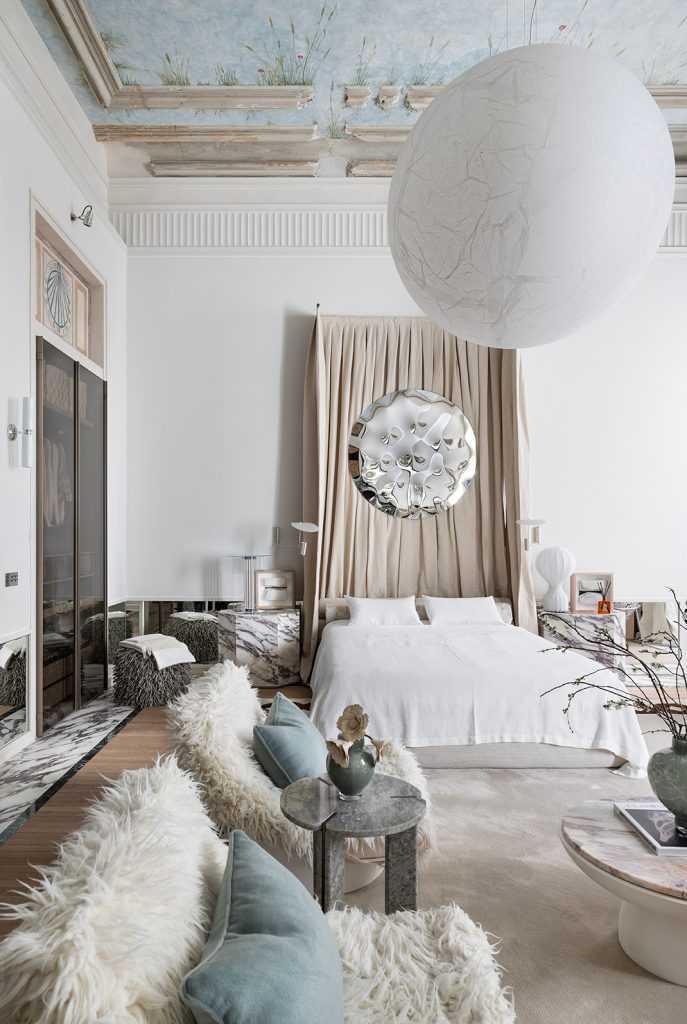
TRENDS, INNOVATION, AND MATERIALS. The project began with the original building envelope, preserving the moldings and their generous proportions. From this foundation, the designers incorporated cutting-edge materials, such as reclaimed Italian wood, local marble, metallic textures and transparencies, and high-end textiles. Everything is automated, creating a striking contrast with the space’s classic character.
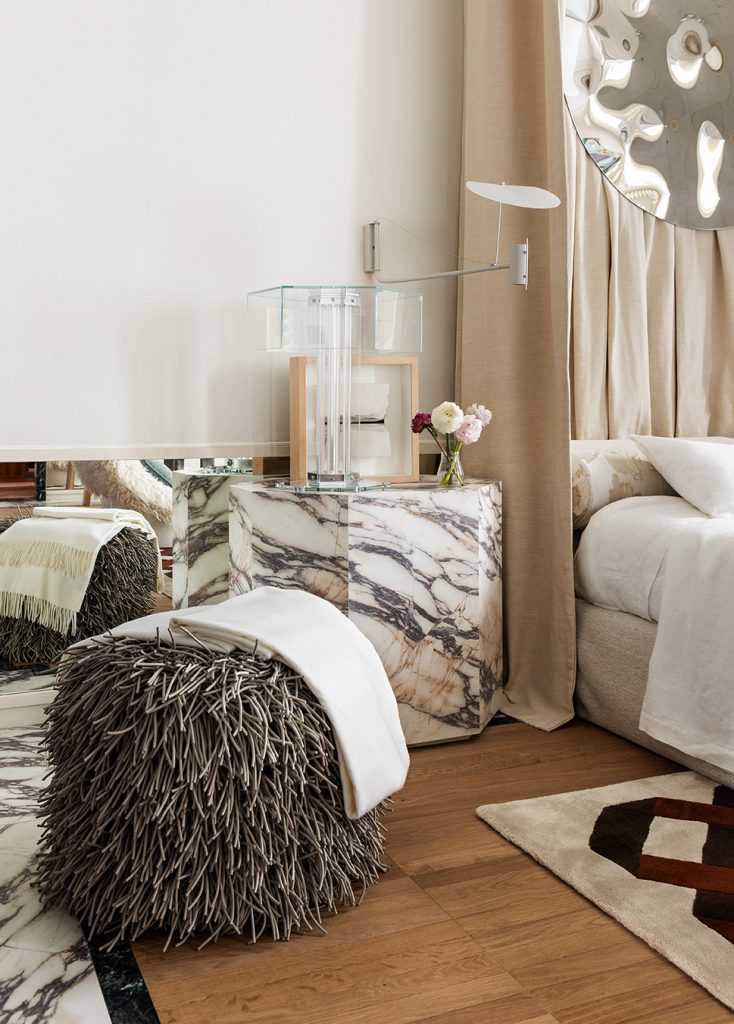
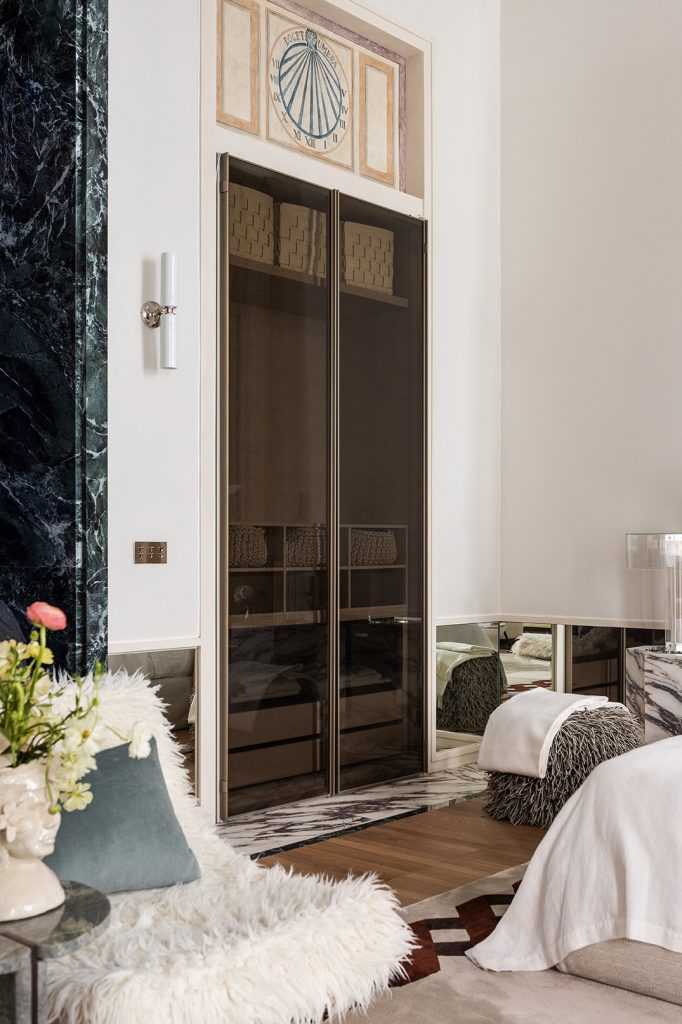
Contribution to the #SustainableHomeDecor campaign. In addition to rescuing architectural elements from the space itself, they have integrated 100% organic and sustainable fabrics. The designers also implemented a home automation system to contribute to energy efficiency.
“Spiral of the Wind” by Ricardo de la Torre for Legado Artesano Castilla-La-Mancha
Photos by Amador Toril for Casa Decor
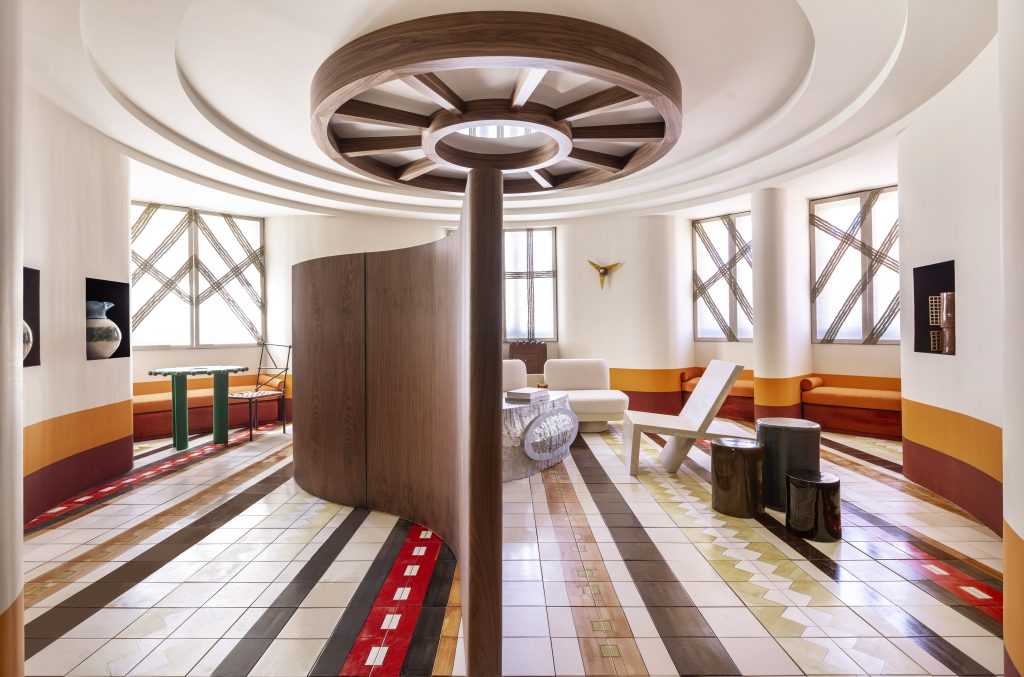
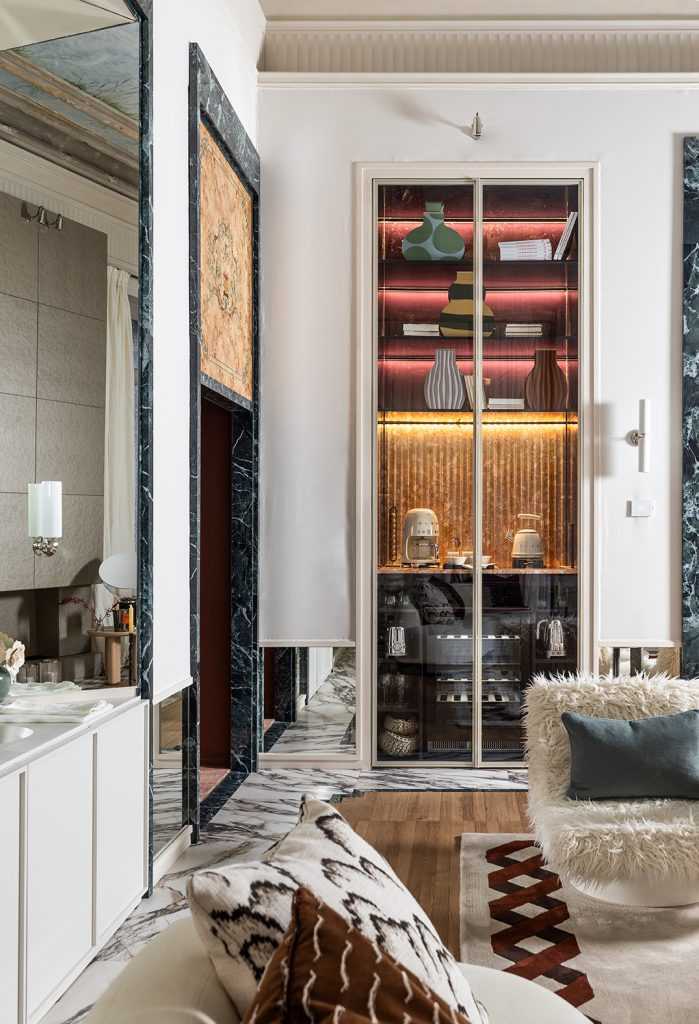
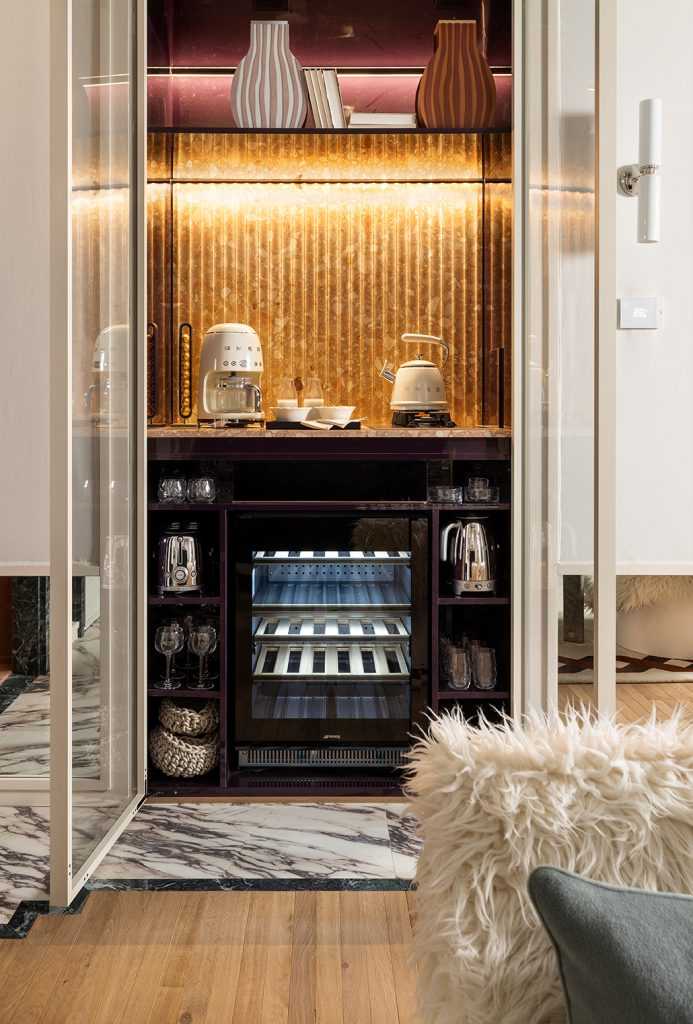
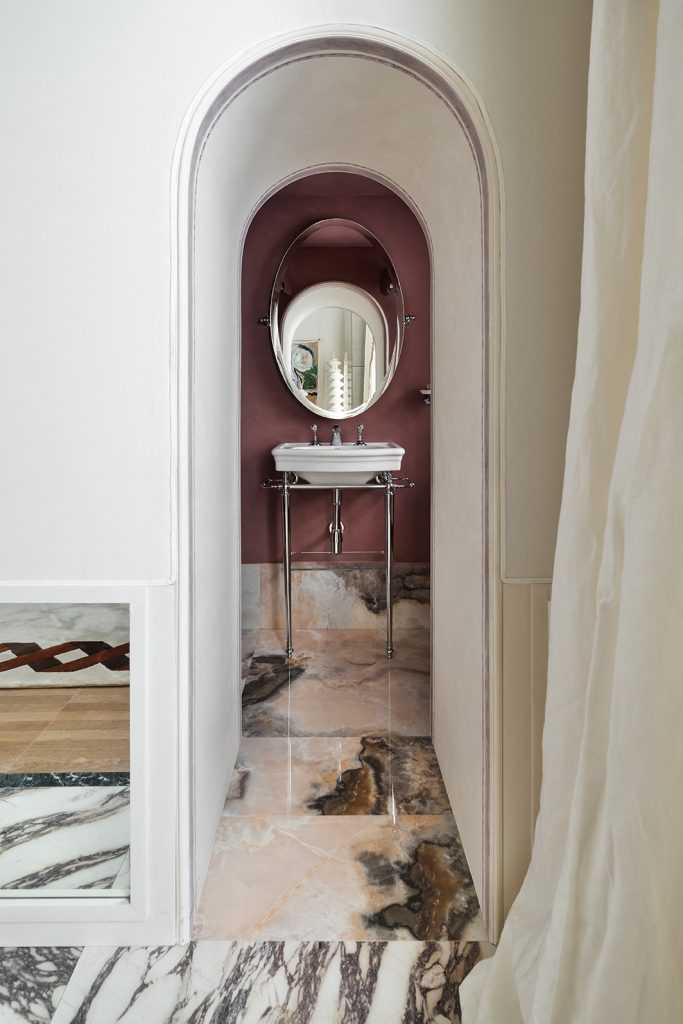
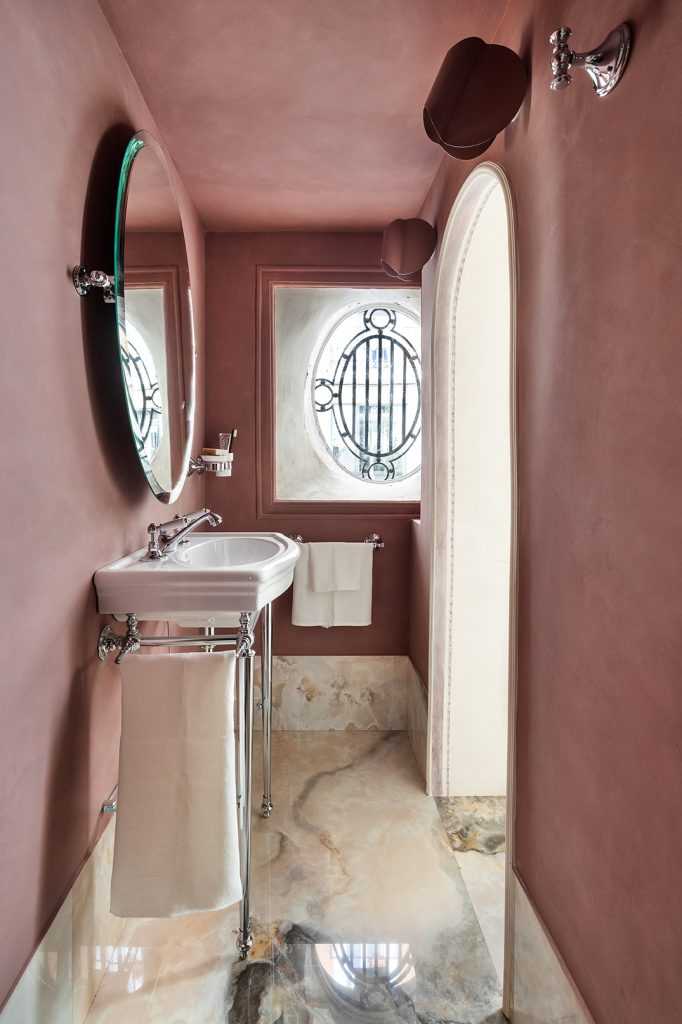
“Spiral of the Wind” is the name of the showroom that Ricardo de la Torre created for Legado Artesano Castilla-La Mancha. A bright, white space with geometric lines in earth tones, it showcases the creations of 14 artisans from the region. Jung also collaborated on the space, providing the mechanisms.
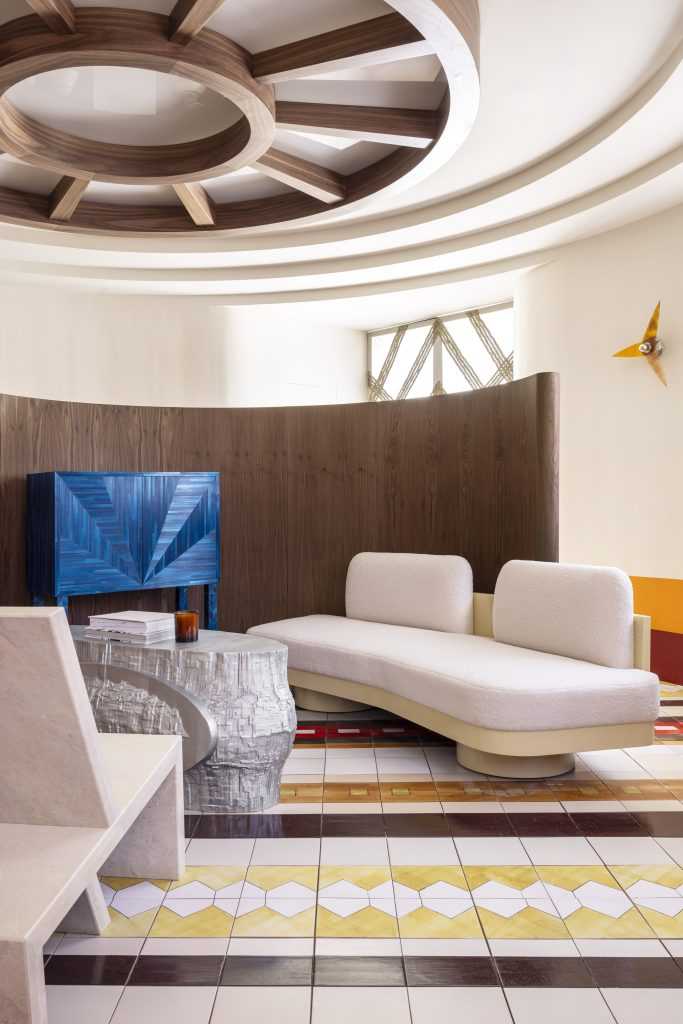
PROJECT CONCEPT The inspiration for this space is the spiral of the wind as a moving force that shapes space and landscape. The project translates this into a contemporary composition, based on rhythm, material, and perception, evoking the flow of air and generating an experience that links tradition, memory, and contemporaneity.
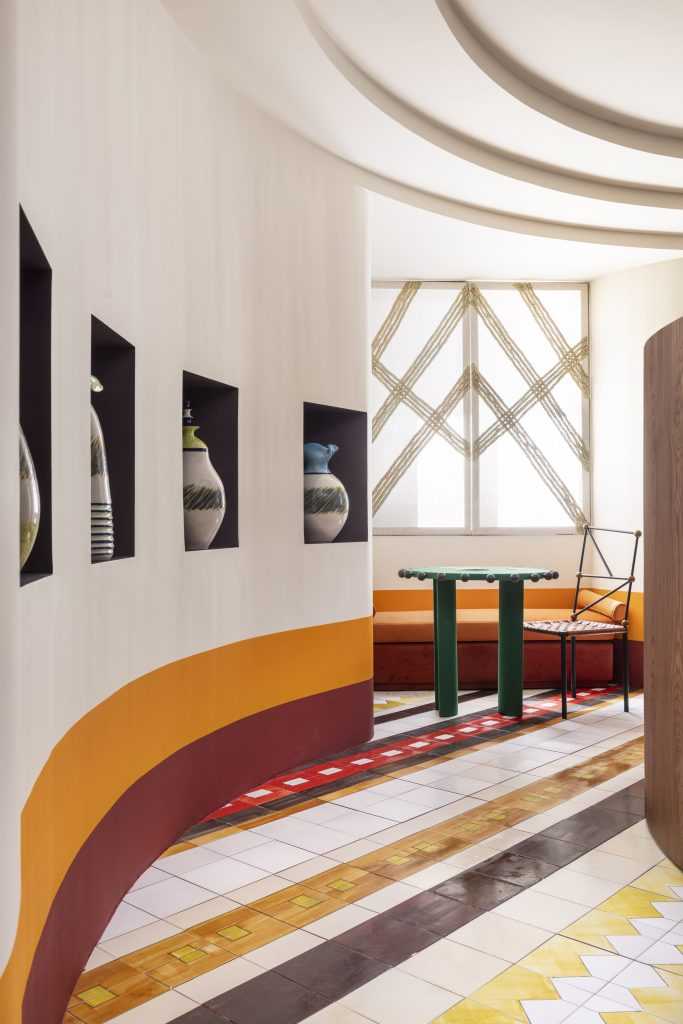
TRENDS, INNOVATION, AND MATERIALS The project aligns with trends that integrate landscape, culture, and sensory experience. Innovation arises from translating the spiral of the wind into an abstract spatial gesture with materials developed with local artisans, whose contributions lend identity, texture, and a contemporary connection to tradition.
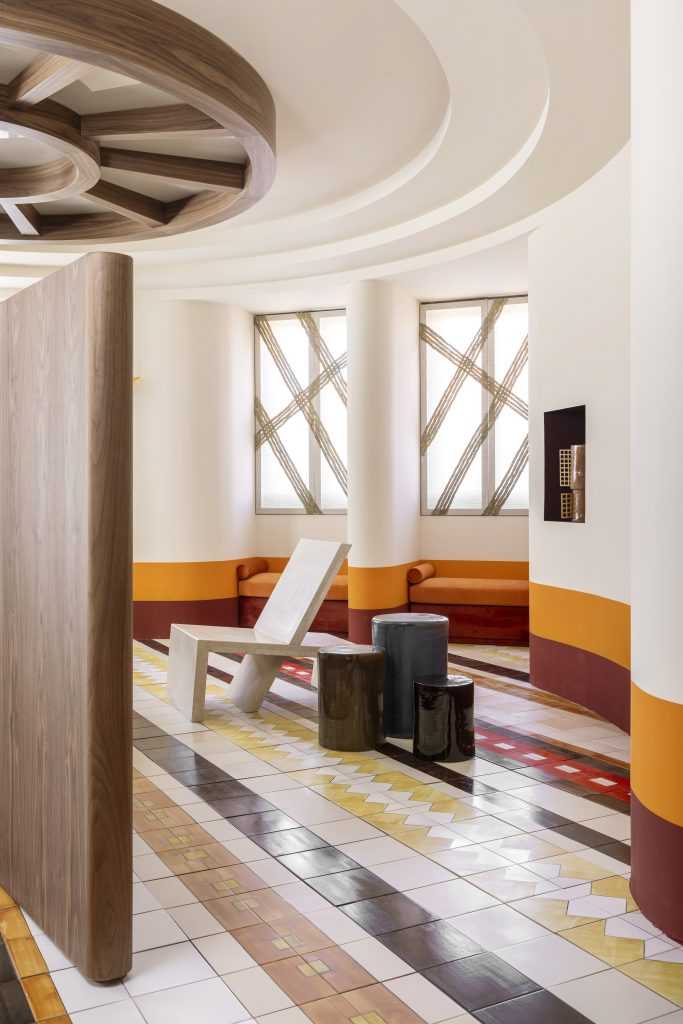
Contribution to the #SustainableHomeDecor campaign. The project incorporates recycled materials from artisanal processes and natural raw materials. This strategy reduces environmental impact, promotes reuse, and highlights the work of local artisans from a contemporary perspective.
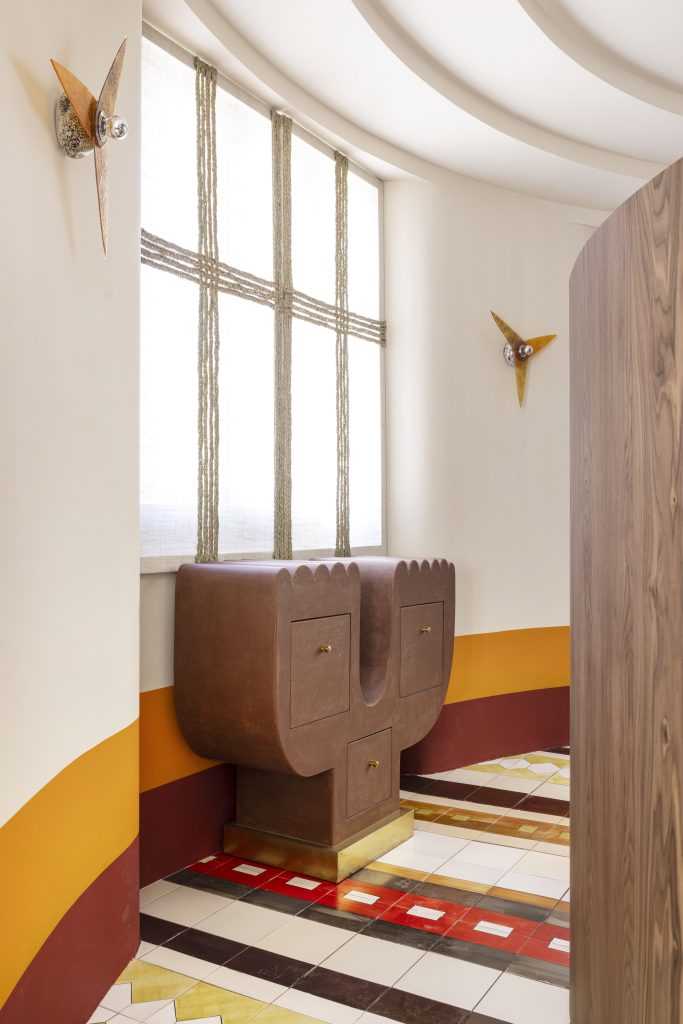
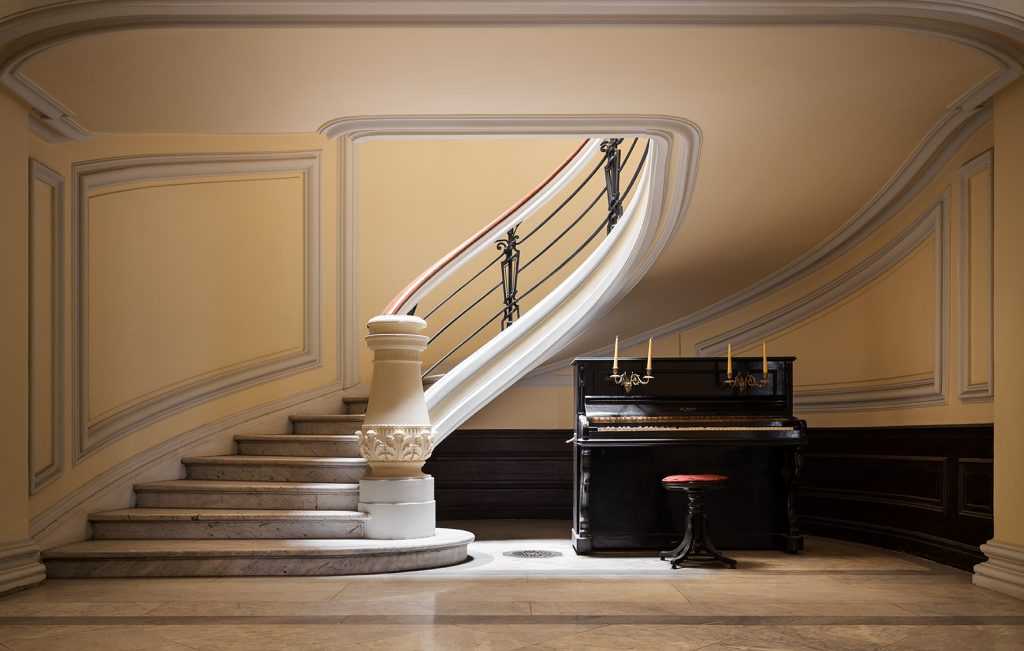
Photo by Nacho Uribe Salazar for Casa Decor